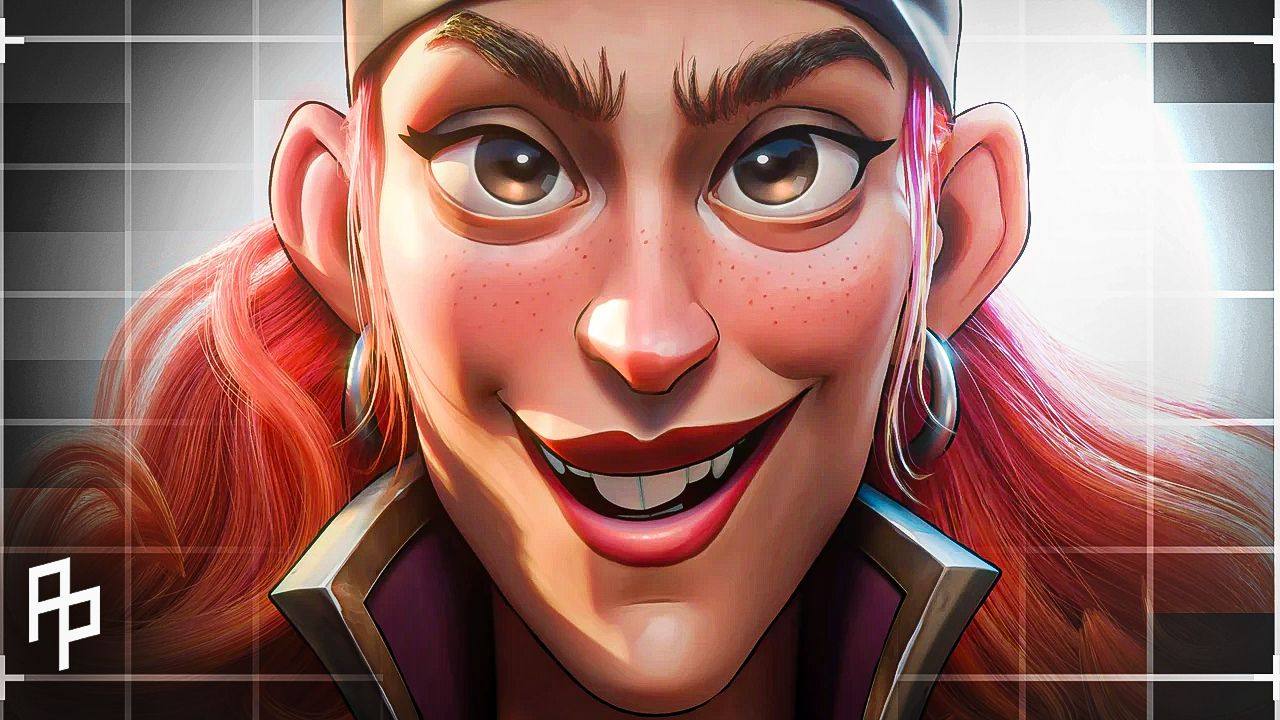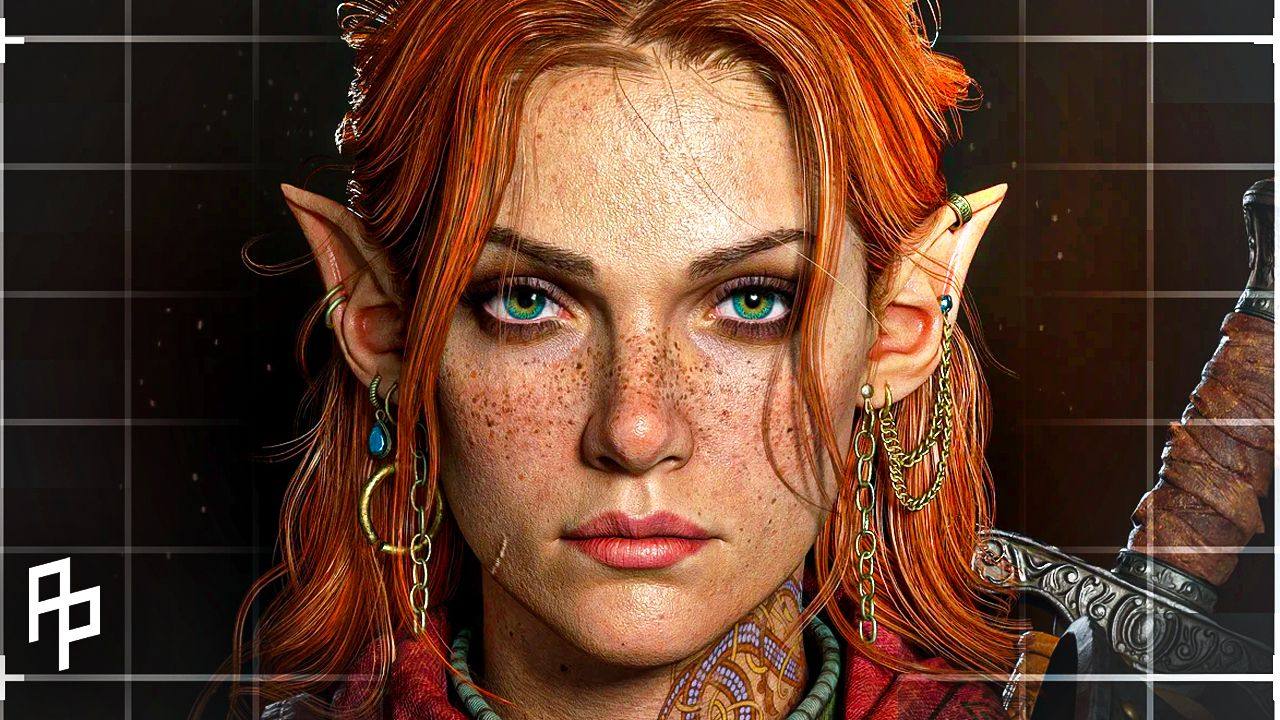
After speaking with Byungwhee Kim for our latest Pixel Peeps episode, I walked away genuinely inspired. Not only by the quality of his work, but by the driving force behind it. His project reveals something that I think is worth calling out, because it might be counterintuitive:
Passion is not always efficient.
When you look closely at how he approached his project, you start to see what passion often looks like in the real world. It looks like doing more work than necessary. It looks like choosing the long way instead of the shortcut. It looks like going deeper into details that most people will never notice.
And that’s the point.
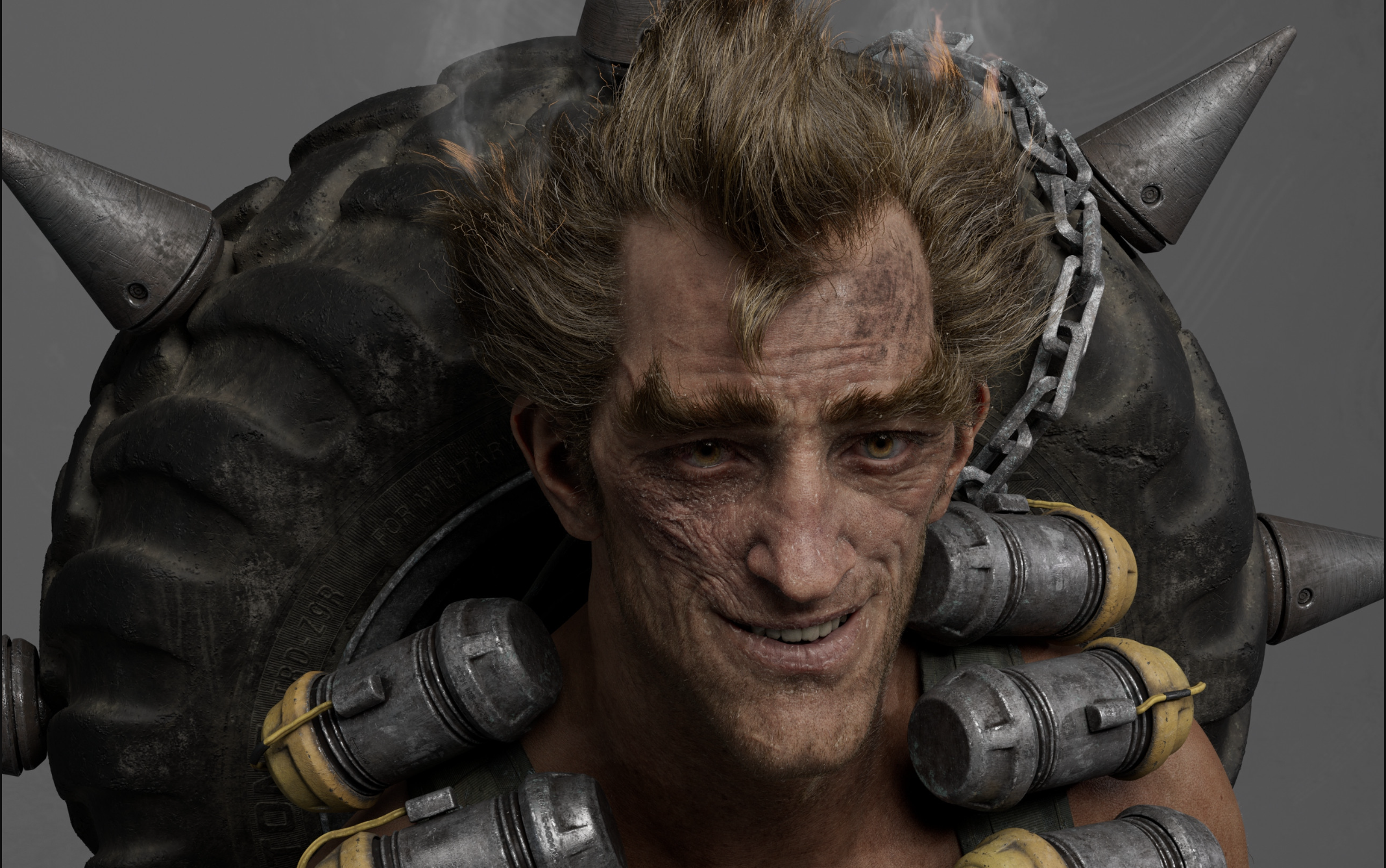
Passion Isn't Optimized
In a studio environment, you work under deadlines. You’re given assets. You move fast. You make decisions because production needs you to.
But in his personal project, there was no deadline. No constraint. No one telling him, “You don’t have time for that.”
So he created something at professional quality without any of the structures that normally make professional work possible. For example:
-
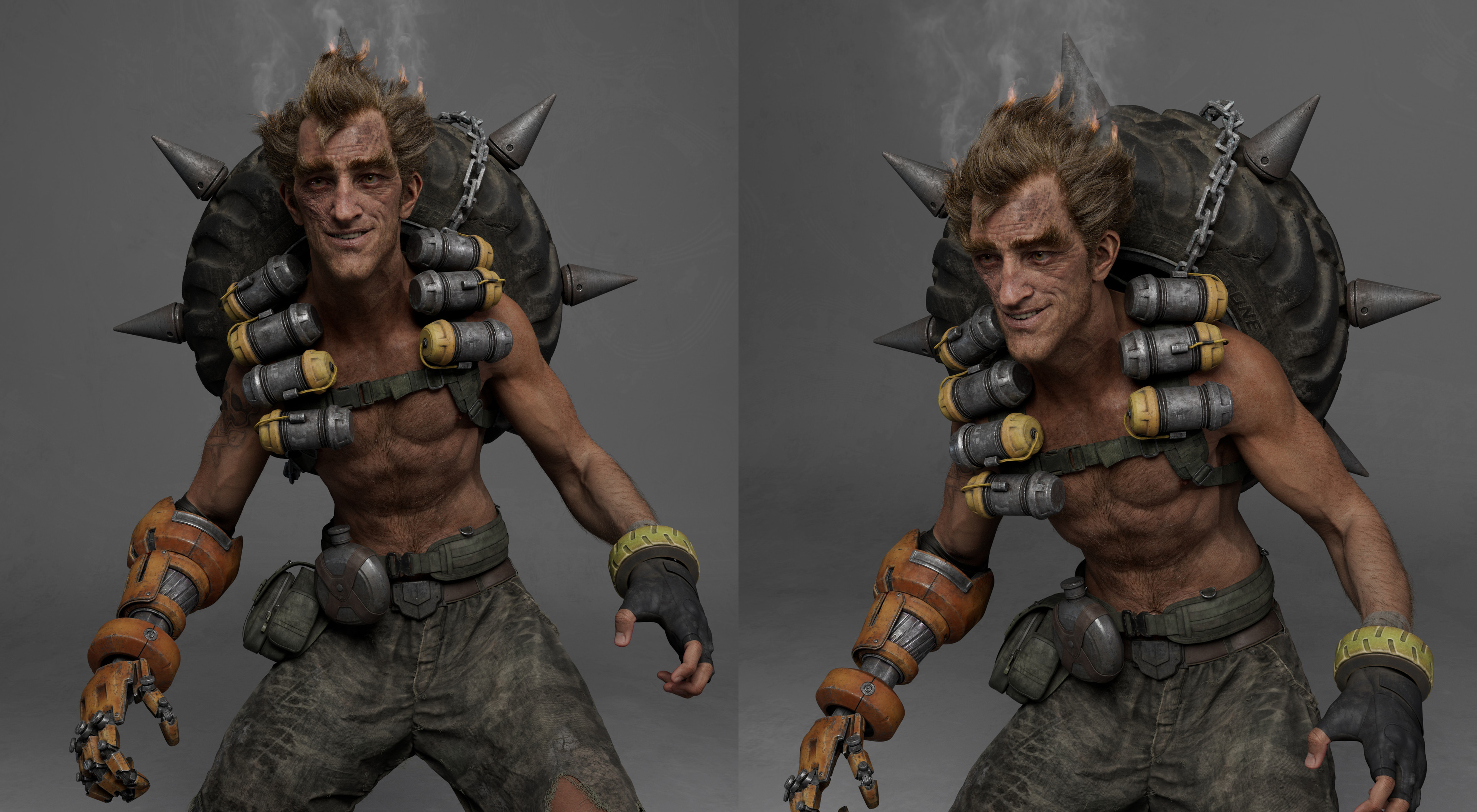
He retopologized the face exactly the way he likes it, even though the provided topology would have worked.
-
He used multiple software packages to get specific effects he wanted.
-
He hand-painted textures for every single grenade on the character, even though no one would ever know the difference.
-
He created three full poses, each with its own VDB sims, hair positions, facial expressions, and lighting setups.
-
And for the final shot with the wheel and smoke, he rendered everything in 3D with zero compositing. Those pixels are exactly what came out of the renderer.
None of that is efficient. None of that is necessary. None of that is how you would do it in production.
But all of it is what passion looks like. He didn’t do those things for other people.
He did them because he wanted to.
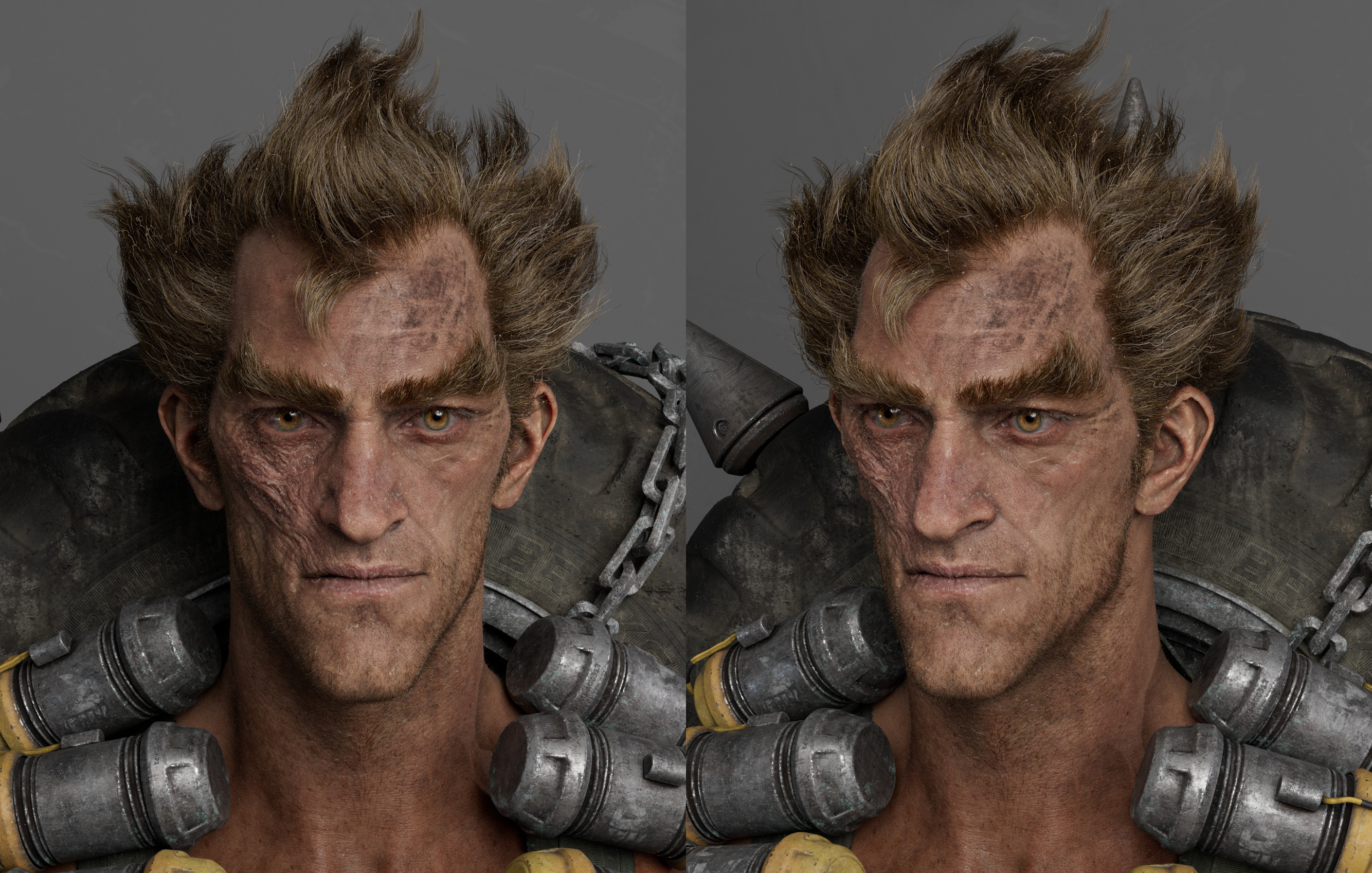
He mentioned reworking the smile, the squint, the cheek compression, the overall attitude again and again.
“The face is always the hardest. I changed it many times until it felt like him.”
Nothing was symmetrical. Nothing taken for granted. Everything was pushed until it matched the personality he saw in his mind. He thought through every wrinkle the same way. Where the tension builds. Where skin stretches. How the nasolabial fold shifts under pressure. etc.
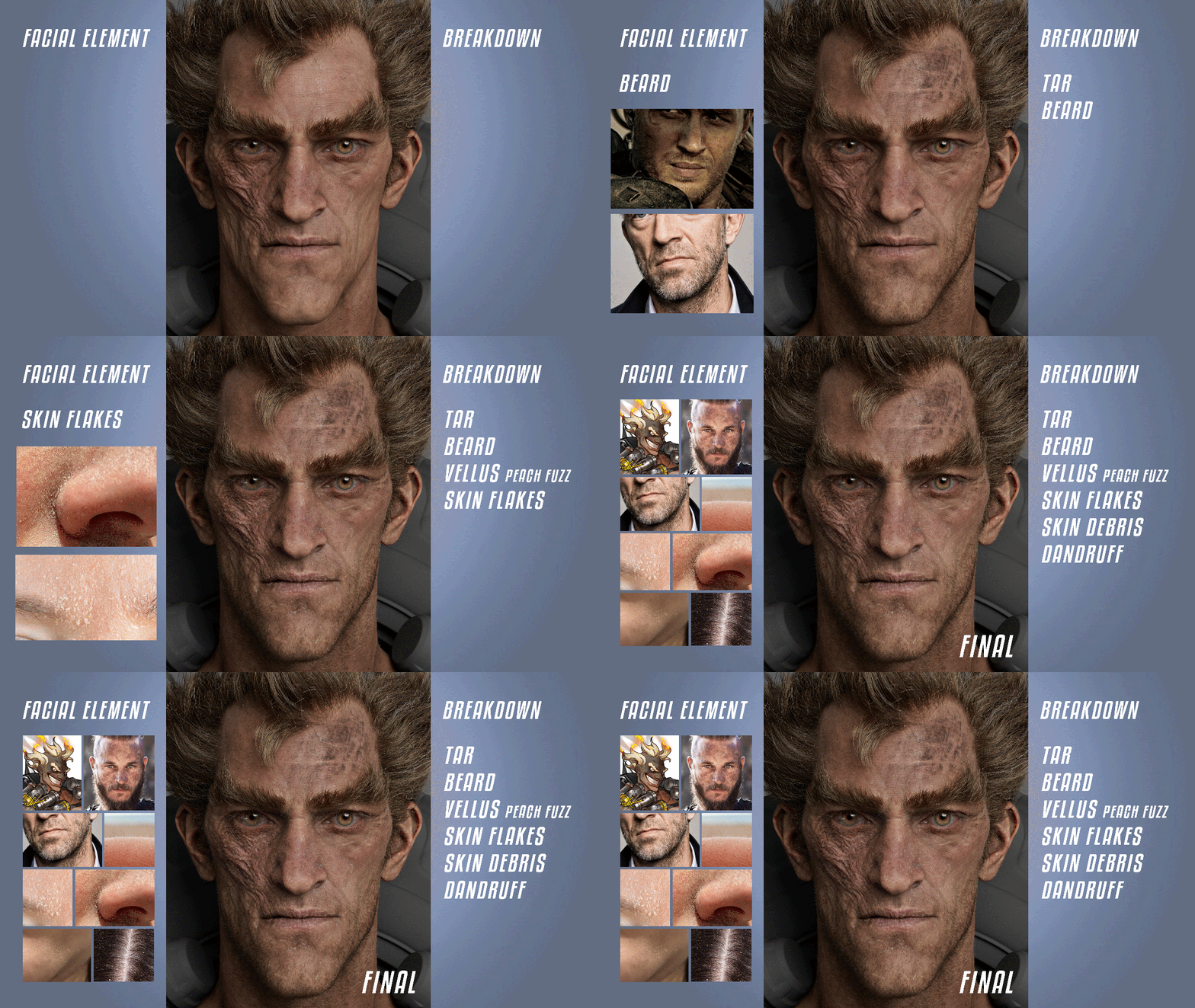
And one of my favorite moments: the 3D model of skin flakes.
This is where passion turns into obsession in the best possible way.
He did not use random texture stamps or decals. He opened Houdini. He hand painted where debris should appear, extruded it into mesh, and made sure it sat perfectly on the displaced surface.
“It has to be accurate. It has to be on the final displaced mesh. Otherwise it will float.”
The accuracy mattered. Junkrat is filthy, but not random. The debris needed to sit where friction would happen, where sweat dries, where dirt collects. That is why he ran the debris pass only after the final level of displacement. It was not noise. It was placement.
And this is where you really see how much he cared about the work. He even talked about the dandruff detail at the dinner table with his wife. He pulled up the close ups and showed her the flakes on the face, excited about how it all came together.
“The first time I show her the dandruff and the close ups on the face. Check this out, I got dandruff.”
It is the kind of detail most people would never notice, but artists appreciate it.
The Love of the Game
Talking to him reminded me that personal work is supposed to be personal.
You can go as deep as you want. You can chase the long way instead of the shortcut. You can build things that only you care about.
Sometimes that is what unlocks your best work.
Not the perfect pipeline.
Not efficiency.
Not doing what you think other people expect.
Just doing what you want to do.
When you work like that, you can hit a personal best. You can rediscover why you enjoy this stuff in the first place. And honestly, that is what helps you finish projects too. If you like the way you are working, you will keep going.
So this is just a reminder.
Make the project you want to make.
Make it the way you want to make it.
If you enjoy the process, that is the right way.
|
 |