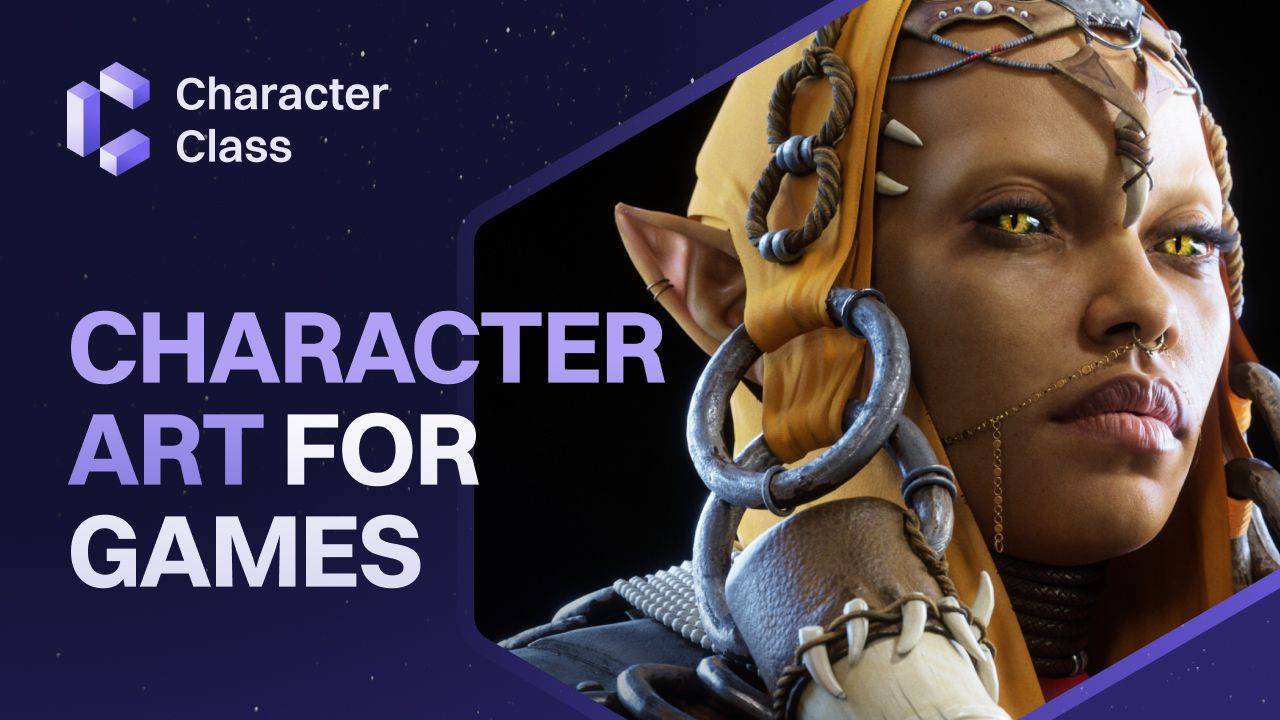
What kind of Character Art Portfolio to make in 2026
If I had to build a new character art portfolio right now, for 2026 and beyond, this is what I’d do.
The industry is shifting fast. Technology is changing. Competition is higher than ever. There are fewer roles, more layoffs, and hundreds of applicants for every junior position. Even mid-level artists are finding themselves back in the job market.
So how do you stand out? What kind of portfolio actually gets attention today?
This is what I’d focus on if I were starting from scratch.
1. Focus on Style That Shows You
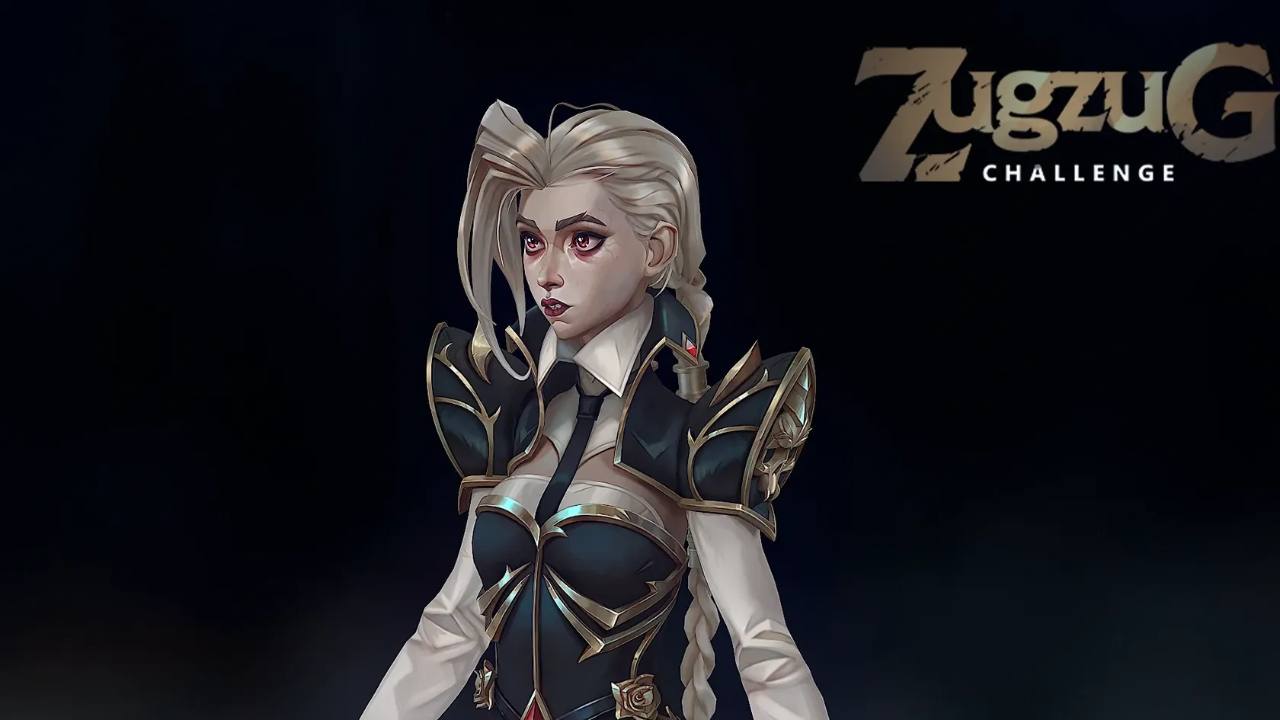
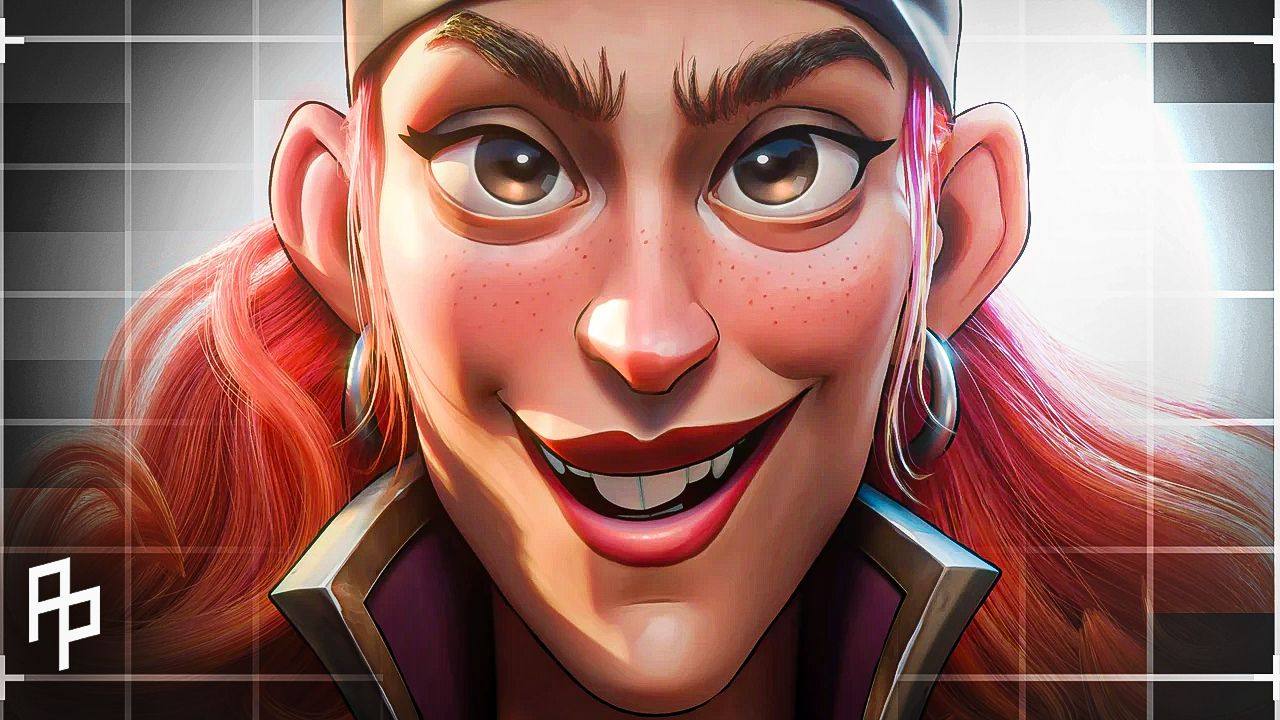
If you’re aiming for an associate or junior role, lean more stylized than purely realistic.
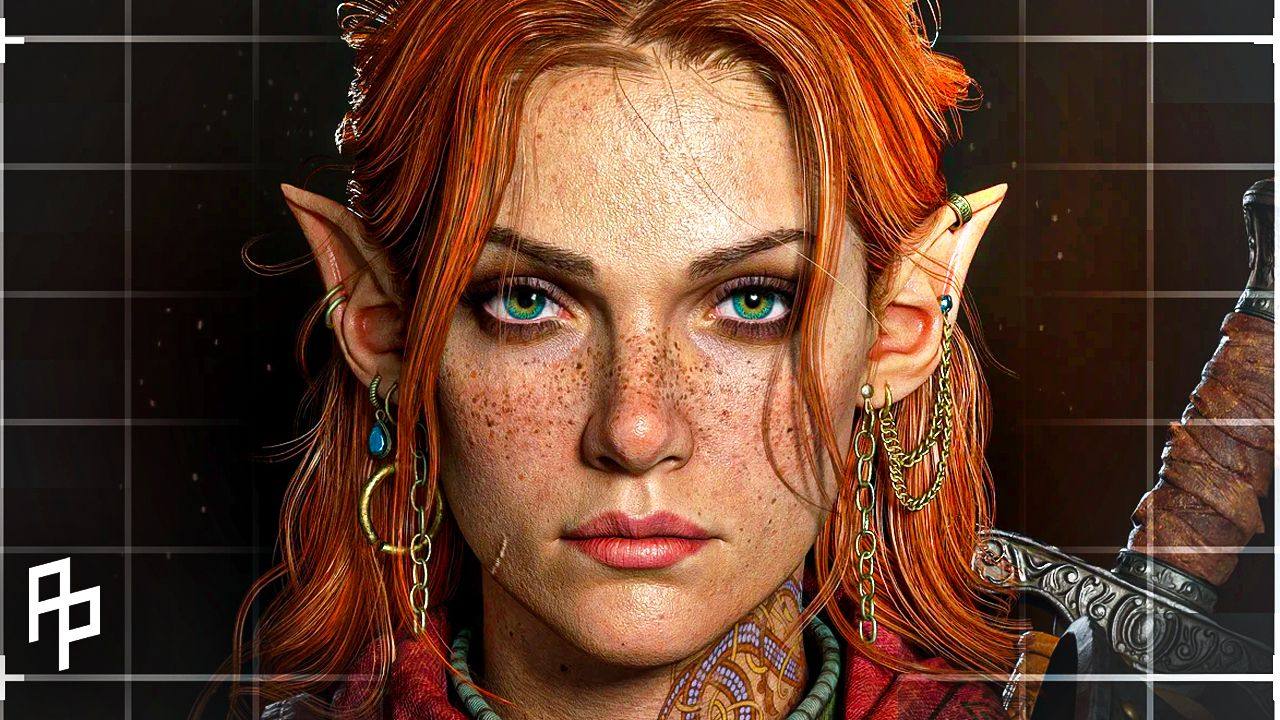
Photorealism used to be the gold standard, but now studios can buy realism.
With photogrammetry, scans, and AI-assisted tools, photo-based realism is faster and cheaper to produce than ever. What studios still can’t buy easily is taste.
Stylized realism gives you room for creative identity. It shows artistic decisions, not just technical replication. Look at games like God of War, League of Legends, or Valorant. Stylized design still dominates attention and creates worlds that stand apart.
If you can build characters that feel distinct, recognizable, and creative, you become valuable in a way that automation can’t replace.
2. Quality Over Quantity
A portfolio with four or five strong pieces beats one with ten average ones.
Every weaker post pulls down the overall impression.
Think of it like this: if someone scrolls your page and sees five great characters, they’ll assume you’re consistent. If they see five great ones and three weak ones, they’ll remember the weak ones.
Aim for four complete, high-impact projects that cover variety:
- One male character
- One female character
- One creature or non-human
- One concept-driven or experimental piece
Mix genres; sci-fi, fantasy, and contemporary. To show range in materials, forms, and tone.
3. Show Real Game Context
Render at least one project in Unreal Engine.
Even if the studio you want to work for uses something else, showing Unreal experience makes you instantly more valuable. It proves you understand real-time materials, lighting, and optimization.
If your other projects use Marmoset, that’s fine, but Unreal should appear somewhere in your portfolio. Show that you can handle a production engine.
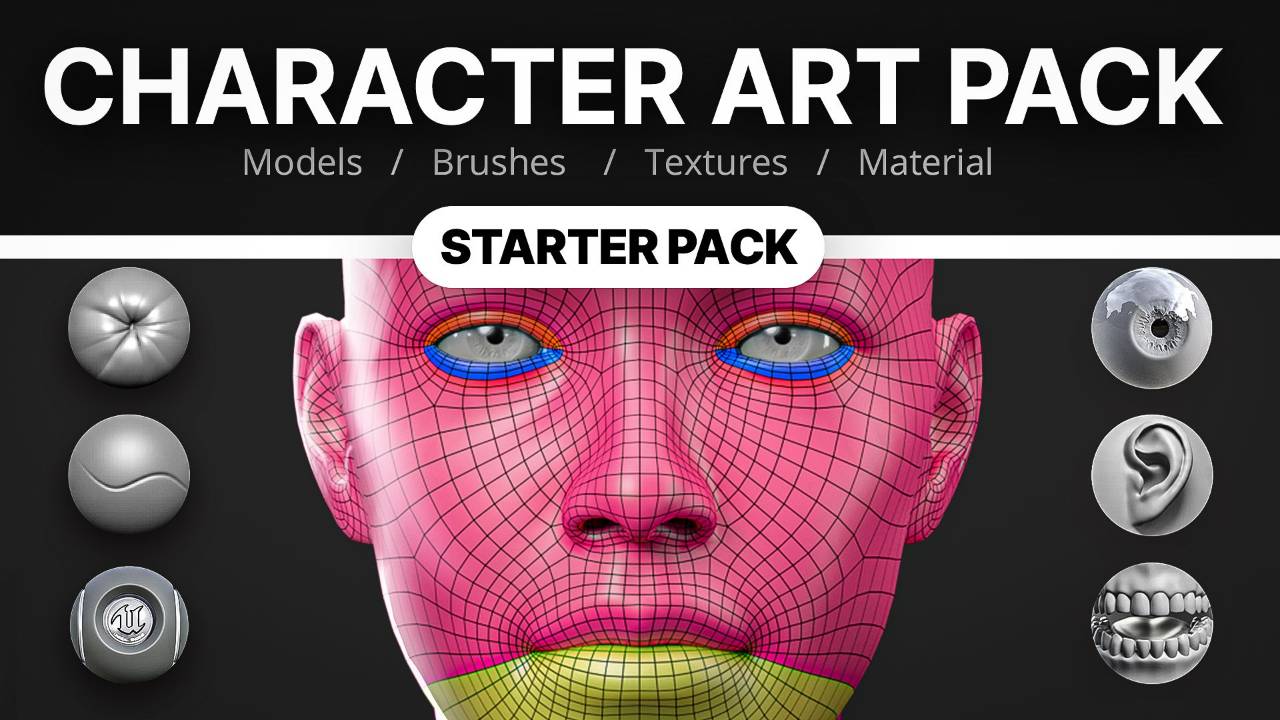
Include a clear wireframe on one project to demonstrate clean topology and sound technical judgment. Once you’ve shown it, you don’t need to show it again.
4. Demonstrate Hair Mastery
Include at least one strong example of hair cards. It’s still the most common industry approach and communicates a lot about your technical control.
Once you’ve done that, you can experiment with grooms or hair strands on other characters. Grooming experience is a plus, but you don’t need to repeat the same skill in every piece.
5. Use Strong Concepts
If you’re a character modeler, don’t try to be your own concept artist.
Start from a strong, professional concept made by someone with design chops greater than yours.
That’s not a weakness, it’s how you level up. Working from strong designs lets you show what matters: execution, form, materials, and storytelling through detail.
Choose concepts that have a clear silhouette, distinct personality, and strong appeal. Avoid generic, over-done designs.
6. Think Forward
Don’t limit your models artificially.
Modern hardware, nanite meshes, and high-end GPUs are already supporting incredibly dense characters. Some new AAA heroes reach 800,000 triangles or more.
If your project calls for it, go high-poly. The goal is to show modeling strength, not restraint.
7. Make It Look Like a Cinematic Screenshot
Your first image matters most. The thumbnail should feel like it came straight out of a cinematic or a game’s opening menu.
Compare your renders to the best work in the industry today. Ask yourself, “If this was next to a screenshot from Hellblade 2 or The Last of Us Part II, would it hold up visually?”
The more your presentation feels like something already inside a game, the more likely people are to see you as production-ready.
💡 Final Thoughts
There’s no shortcut around skill. The technical and artistic strength of your work will always matter most. But being intentional about the kind of portfolio you build can save you years of guesswork.
Think of your portfolio as proof of your value, not just what you can make, but what you understand about the industry.
Show clarity. Show range. Show taste.
That’s the combination that gets noticed.
📎 Further Resources
🎓 Learn:
Character Art for Games — The Complete Course
Step-by-step lessons on modeling, surfacing, and presentation for modern pipelines.
🧭 Explore:
Free resources to help you structure your next personal project.
Until next time,
Keep building. Keep growing. Keep creating work that feels like you.
J