I’ve been thinking a lot about the game industry. This past year especially. This post is less of a hot take and more of a personal State of the Union from my point of view as a game artist who’s been in it for a while.
There’s a feeling I think a lot of us share right now. A growing divide between the people who play games and the people who make them. More specifically, the big corporate version of game studios in the West. That gap has been building for years, but recently it feels impossible to ignore.
The Shift in AAA Games
Last year really highlighted that divide. On one side, we saw Black Myth: Wukong come out and absolutely raise the bar. It put China firmly on the map as a world leader in AAA game development. Players loved it. The craftsmanship was obvious. It was the perfect blend of “similar but different.”
At that same time (3 days later) we saw Concord release and fail in a massive way. Financially, culturally, and creatively. By some estimates, it became one of the biggest losses in entertainment history, somewhere near half a billion dollars.
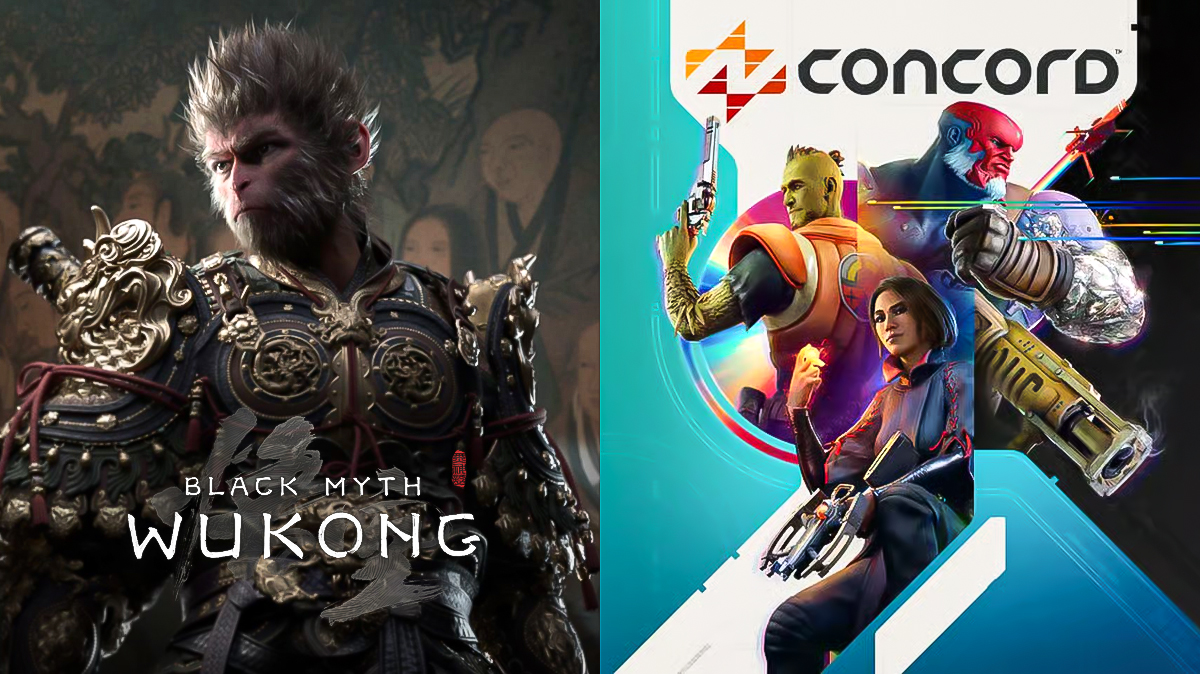
That moment resonates. It sent a signal through the industry. Studios that were already hesitant about taking big creative risks became even more cautious. And I think that fear is going to continue to shape the future of AAA games.
The Risks
What feels clear to me now is this.
The most expensive, big budget AAA games are going to become safer. AAA games cost so much now, they take a long time, and the biggest companies are publicly traded companies.
That usually means established IP. Sequels. Known franchises. Things that feel predictable from a business standpoint. The risk tolerance just is not there anymore at that scale.
But Players actually value risk. They want new, exciting, interesting things.
The real experimentation and the real risk-taking is shifting toward AA and single-A games. Smaller teams. Lower budgets. Strong creative direction. And we saw proof of that this year at The Game Awards.
The Game Awards
Expedition 33 took home a record number of awards and won Game of the Year. That was a small team. They used Unreal Engine and started from a free template. They were focused on making something the believed in, not just something for profit.

Arc Raiders winning Multiplayer Game of the Year tells a similar story. These were not massive productions. They were focused, well-crafted games made by passionate teams.
That feels like a big signal. Games that used to require AAA budgets and hundreds of people can now be made by much smaller teams. And that’s where a lot of the excitement is going to live.
What This Means for Artists
As a game artist, I actually find this really encouraging.
I know people who worked on huge games like Apex Legends who then left to join startups or form smaller teams to try something new. That path is becoming more common. And honestly, more viable.
The tools are better than they’ve ever been. Unreal keeps improving. Templates are getting stronger. Knowledge is everywhere. What used to take massive engineering teams ten years ago is now accessible to small groups, or even individuals.
When I worked on Evolve, it took hundreds of people and a ton of custom tech to make that game. Networking, animation, rigging, gameplay systems. All of that used to be a monumental effort.
A lot of those barriers are gone now. Epic has been steadily democratizing high-end game development, and I don’t see that slowing down.
Advice for Breaking In
If you want to get into games today, you should absolutely be spending time in Unreal. Not just rendering characters, but actually playing with the engine.
Make small games, silly games. Experiment. Join Discords. Team up with people at your level. Cut your teeth by building things, even if they’re rough.
There’s nothing stopping you from eventually shipping a small game on Steam. A ten-dollar game. A tiny project that teaches you how all the pieces fit together. You can build your craft and learn game development at the same time.
The AA and single-A space is where the majority of opportunities are going to be. Even if those games don’t generate massive revenue, that’s where people get experience, visibility, and momentum.
If you’re only aiming at big, well-known AAA studios, don’t make that your plan A. Those studios almost always hire people with prior shipped experience. Still apply if you want. Shoot your shot. But focus on building real experience first.
I tried to make a game!
Did you know that I tried making a game with my friends? Did you!? Yes I did and I have images to prove it.
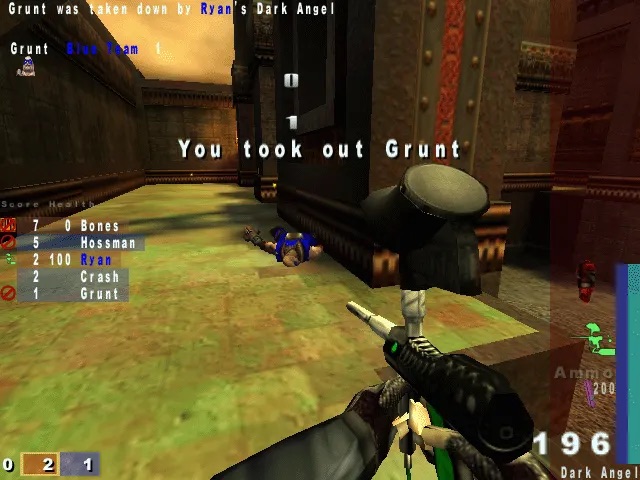
Back in 2006, while I was in college for game art and design, I was also trying to make a game with some friends as a Quake mod because Quake 3 had just become open-source.
It was rough. The art was bad. The tools were clunky. Nothing about it was easy.
But it was incredibly valuable.
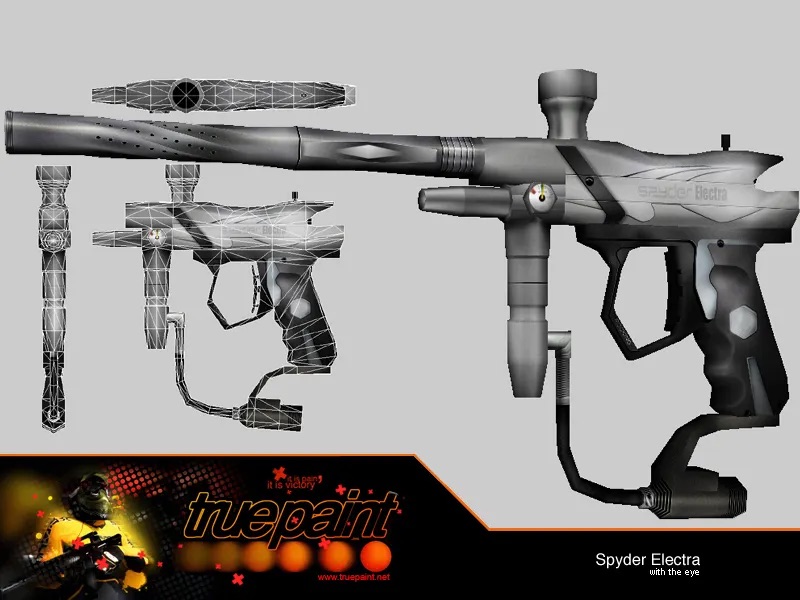
I think this is one of the guns I made. And I made that character down there along with the graphic design. I was so cool.
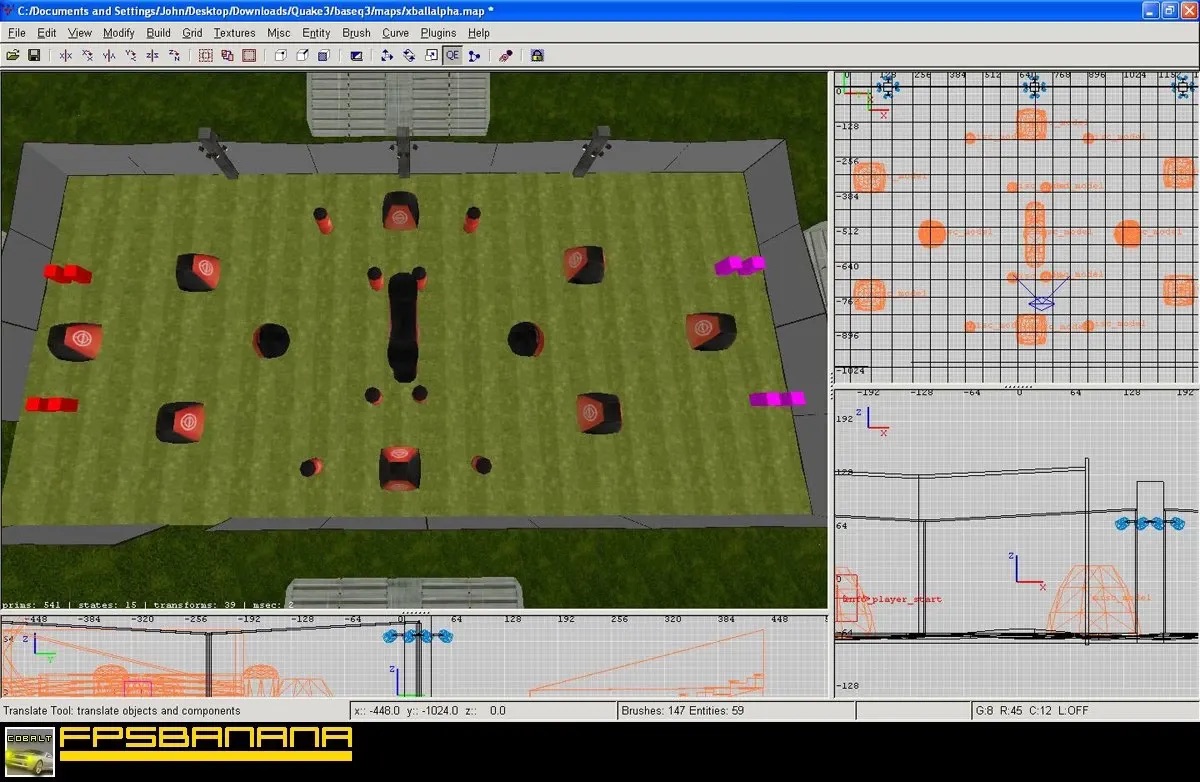
I was designing and helping create a Paintball game with some friends. And I couldn't wait to get back home from school to work on it.
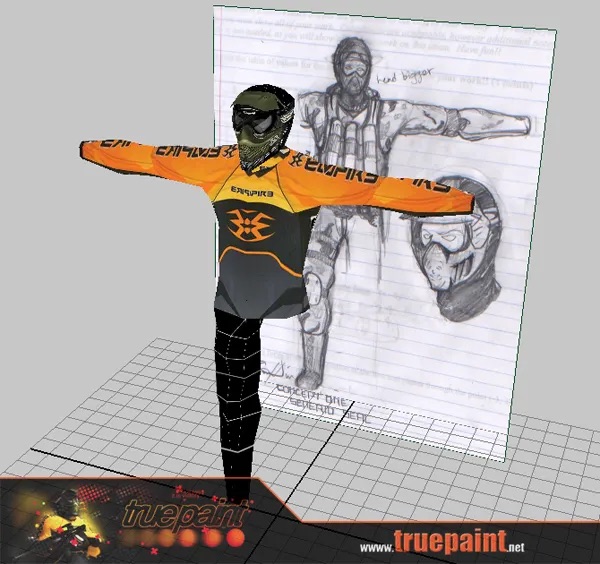
Check it out. Character modeling AND concept artist. wow.
And don’t forget rigging and animation.
I was learning things in class about game design, pipelines, and production, and my brain was immediately applying all of it to that game. Every assignment, every lecture, every critique just clicked differently because I was actually trying to make something.
And here’s the important part.
What we were struggling to do back then is so much easier now.
If you want to be a game artist or a game developer today, what’s stopping you? Unreal is free. Templates exist. Tutorials are everywhere. You can start experimenting right now while you’re building your skills.
You could be learning.
You could be connecting dots.
You could be making the next weird little indie game while figuring out your craft.
That kind of hands-on experience will make you better in ways you can’t predict. It always does.
It’s a no-brainer. Want to make games? Make games.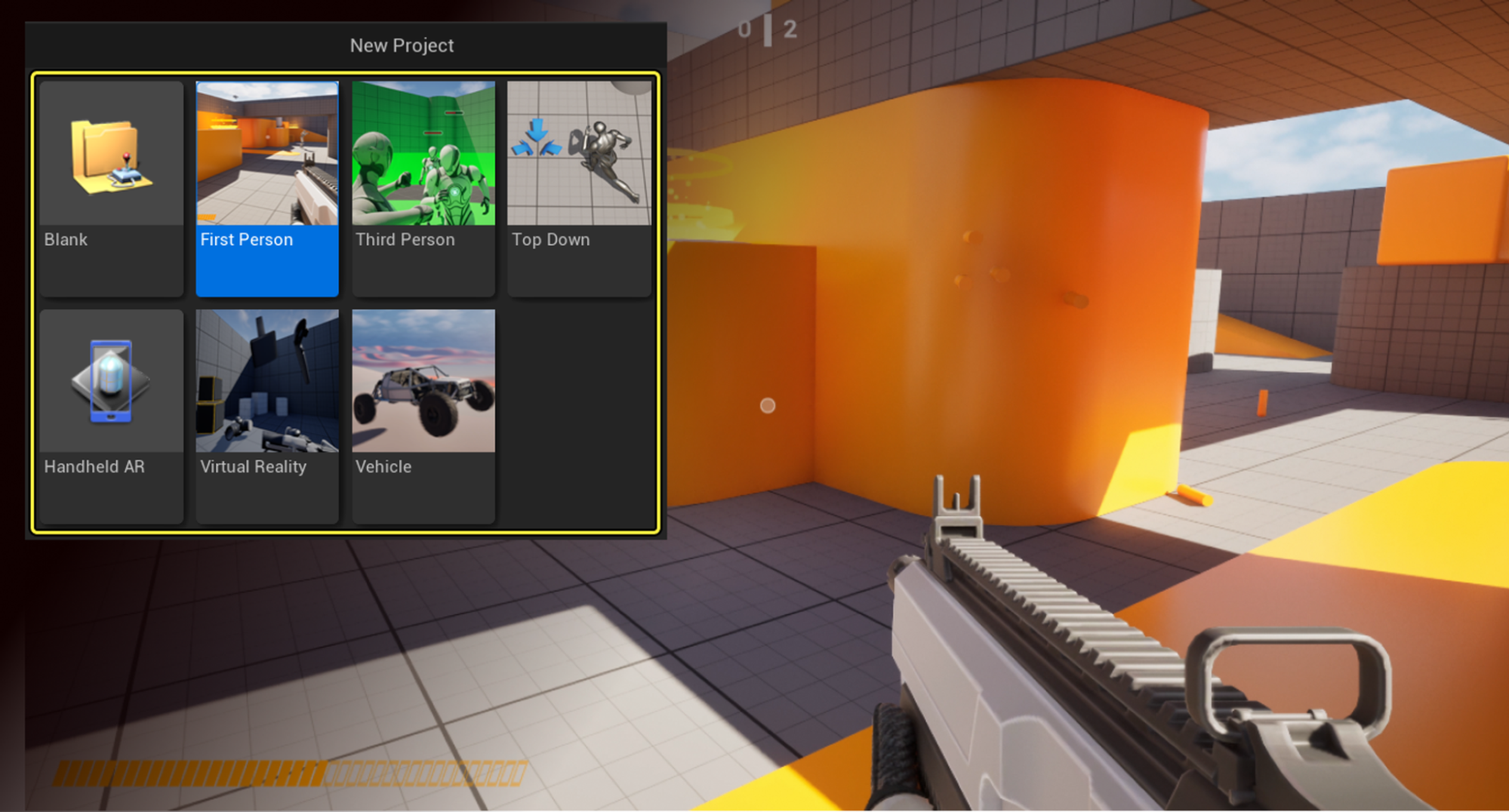
Why I’m Optimistic
I know there’s a lot of negativity around the industry right now. Layoffs. Studio closures. Uncertainty. All of that is real.
But I’m genuinely optimistic.
We’re in a moment of disruption. And disruption creates opportunity. Players are hungry for new ideas. Games are being made at every price point. And the barriers to entry have never been lower.
If your goal is to become a game developer, you can do that now without waiting for permission. You don’t need a gatekeeper. You can start building something today.
People are already using free tools to make Game of the Year contenders. That alone should tell you something.
I’m excited to see where this goes. And I hope more people take advantage of this moment, especially here in the West. The people creating things now, experimenting, trying new things, and taking risks, are the future leaders of the industry.
Minecraft, League of Legends, DOTA, Counter-Strike, Portal, Doom, all started as small indie projects mostly with teams around 10 or less (minecraft was 1 guy)
The world is entering the arena, and the competition is on.
— J
pew. pew.