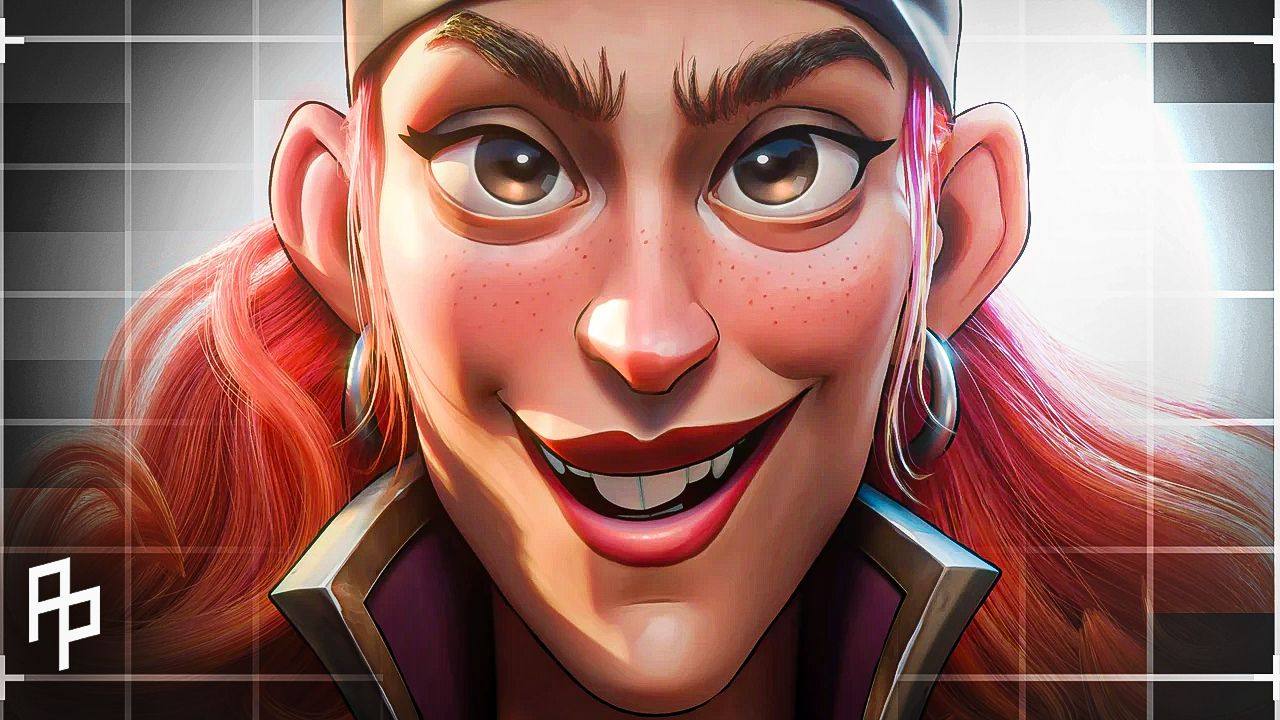
One of the more practical parts of my latest Pixel Peeps with Dev Mehta was about hair.
Real-time hair intimidates a lot of artists. It feels technical. It feels messy. It feels overwhelming.
But what stood out was how grounded his workflow was.
He didn’t jump straight into final polish.
He used ZBrush as part of the placement process.
That’s a smart move.
Here’s why this works:
1. Separate placement from polish
Placement is about design.
Where does the volume sit?
What’s the silhouette doing?
How does it frame the face?
If placement is wrong, no amount of card refinement will save it.
Using ZBrush early allows you to think in mass and flow before committing to final hair cards.
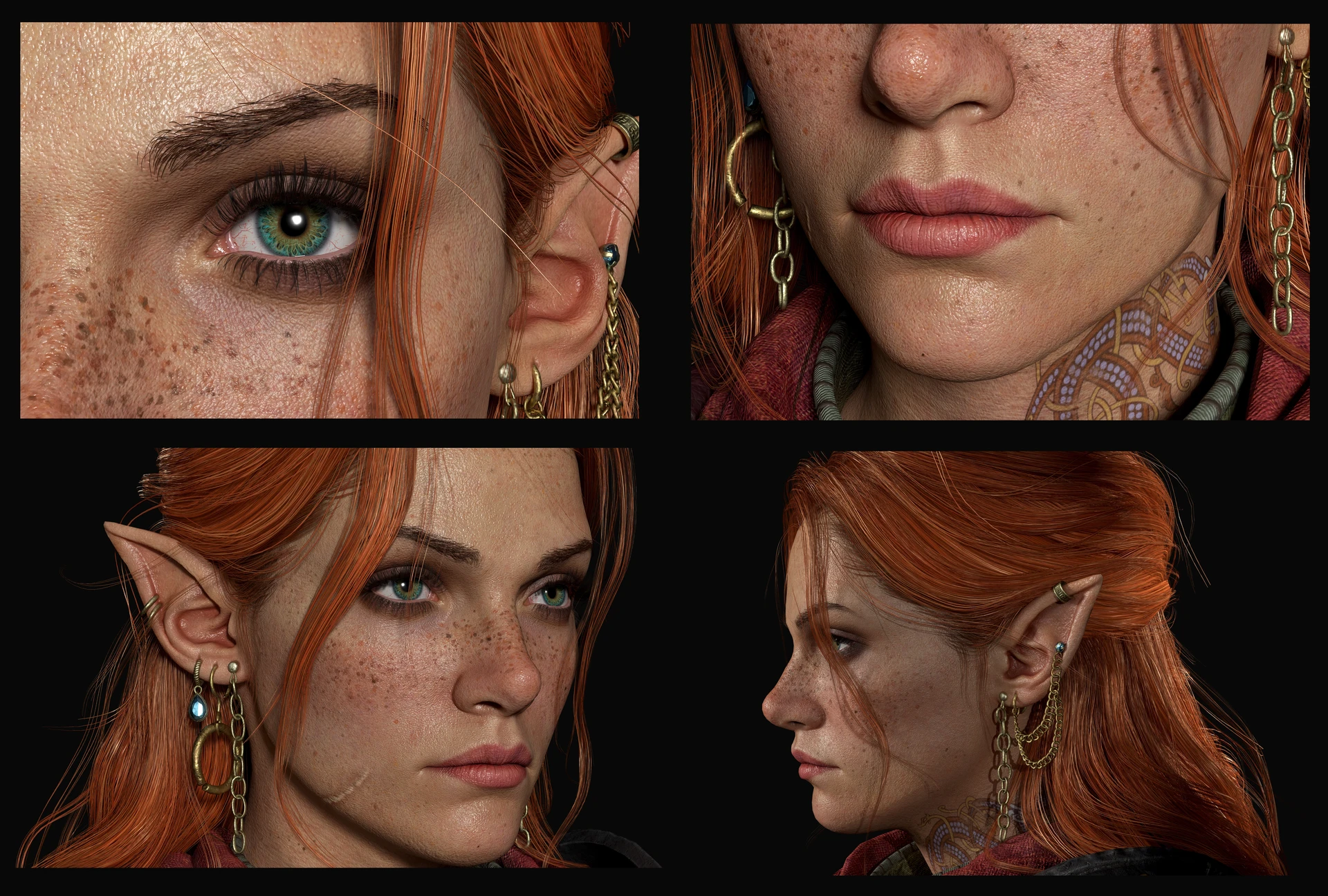
2. Accept the time investment
He was honest about how long it took.
Real-time hair is not a 30-minute task.
The placement phase is iterative.
Searching references. Adjusting shapes. Moving things slightly. Rechecking silhouette.
That’s normal.
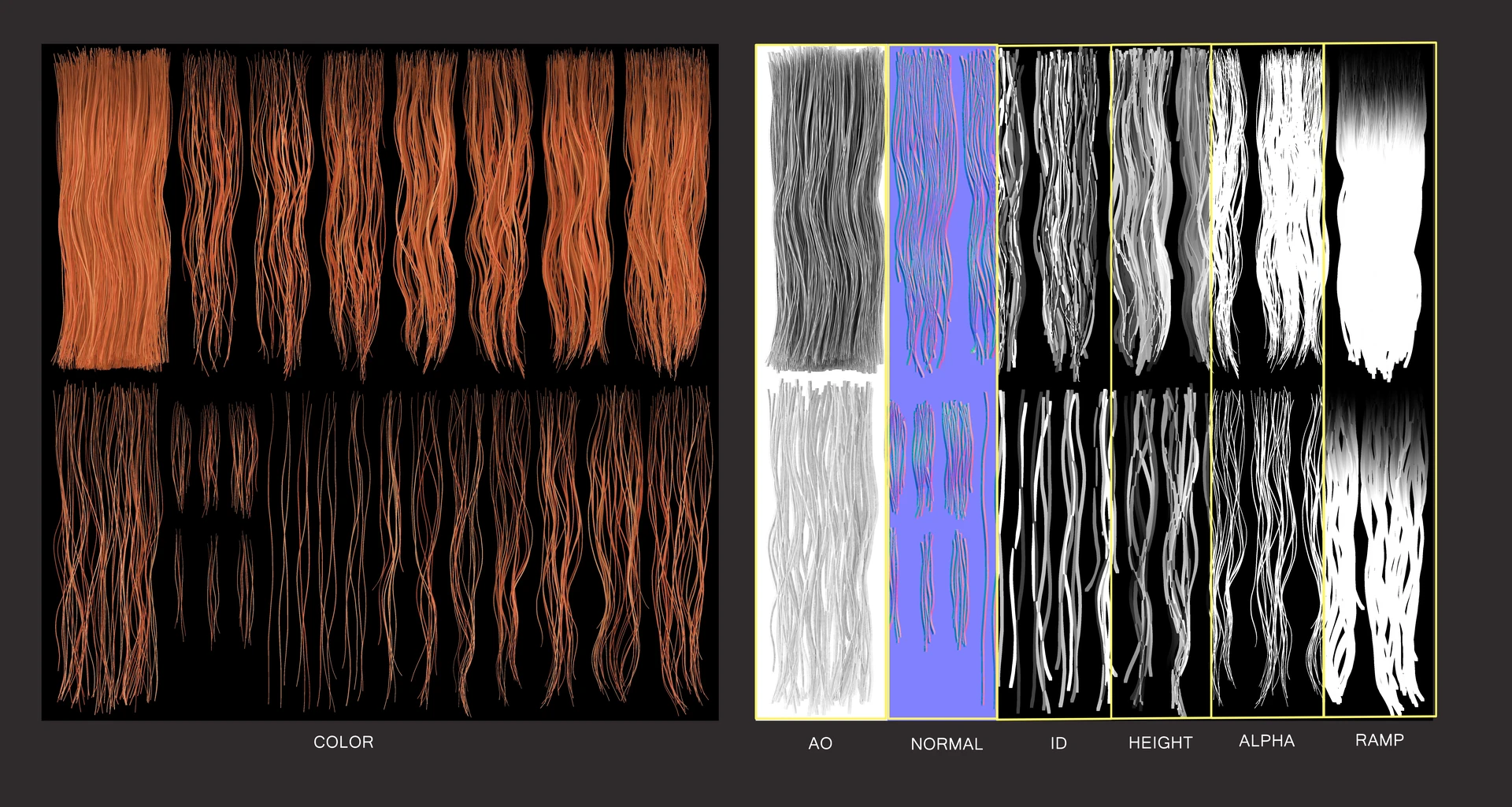
3. Use the right tool for the stage
ZBrush for form and flow.
Game-ready workflow for optimization.
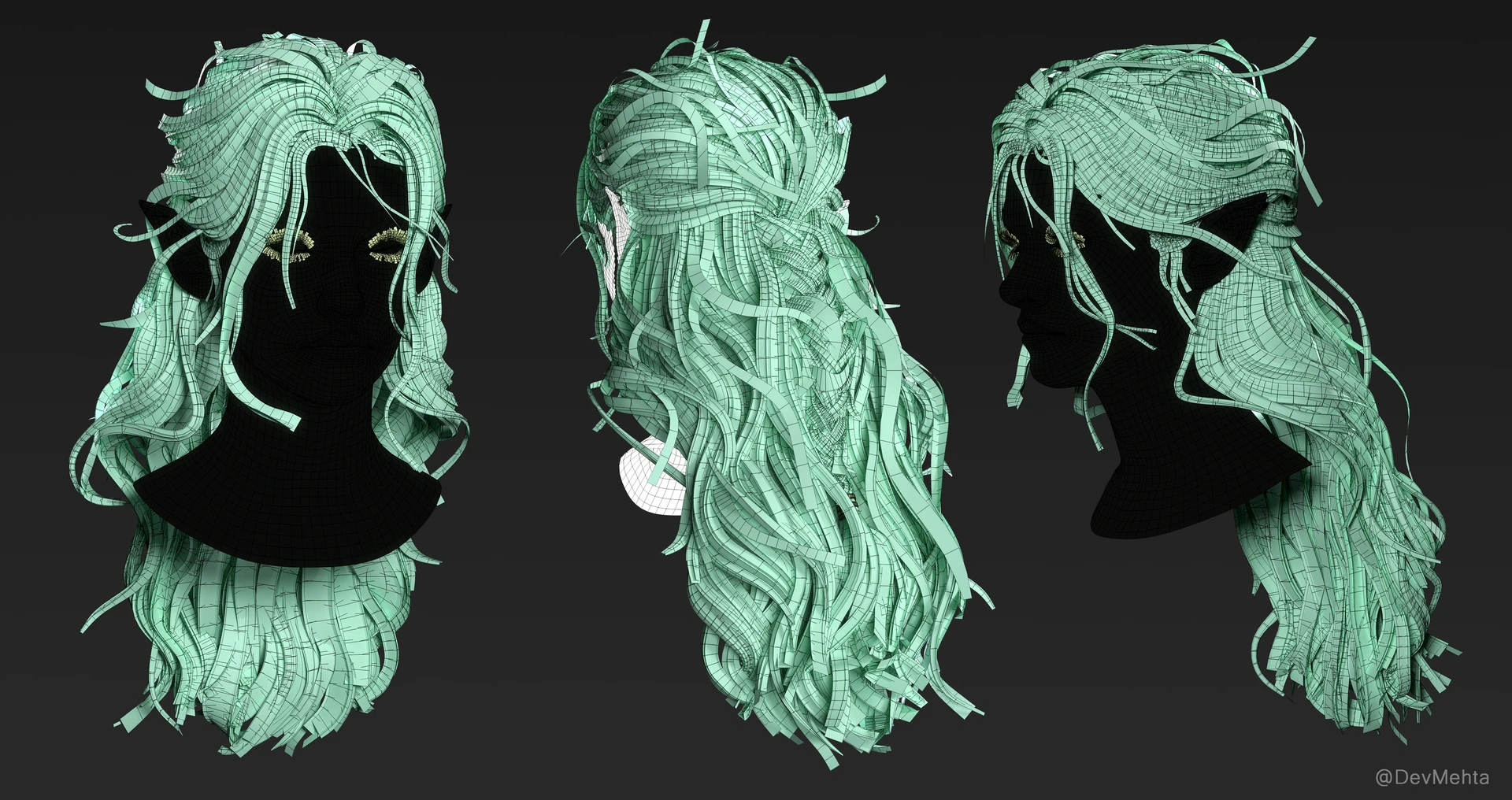
This layered approach keeps you from solving all problems at once.
And that’s the bigger lesson.
Real-time hair becomes manageable when you:
• Design first
• Solve in stages
• Focus on silhouette
• Refine after structure is correct
This is absolutely achievable.
It’s not about secret plugins.
It’s about sequencing your process properly.
Placement first.
Refinement second.
Optimization last.
That’s a strong workflow.
— J
 |
|
P.S. On a different note, I finally made my first run of shirts. It’s been in my head for a long time and it feels good to see them out in the world. They’re available in the store now.
You can FIND THEM HERE or you can click the images below to teleport yourself there.