
while perusing YouTube and adding to my ever-growing list of open tabs about unreal, filmmaking, and basketball highlights, I came across this video on Clint Eastwood and was reminded of this timeless lesson: Perfectionism is a trap.
The trap looks like progress but can quietly kill momentum. You start fixing, polishing, improving until you’ve spent weeks or months iterating on something that was already working well enough instead of just moving on. The project slows, the spark fades and before long, you’re stuck. Or going crazy. Sound familiar?
Iteration has diminishing returns and If you're not mindful, you may be killing your art with improvements.
"So many times you get a great project and people want to kill it with improvements. And that's exactly what I was doing with Unforgiven. So finally, I called David back and said, 'Forget what I said about making those changes. I'm not doing anything except changing the title.'" - Clint Eastwood
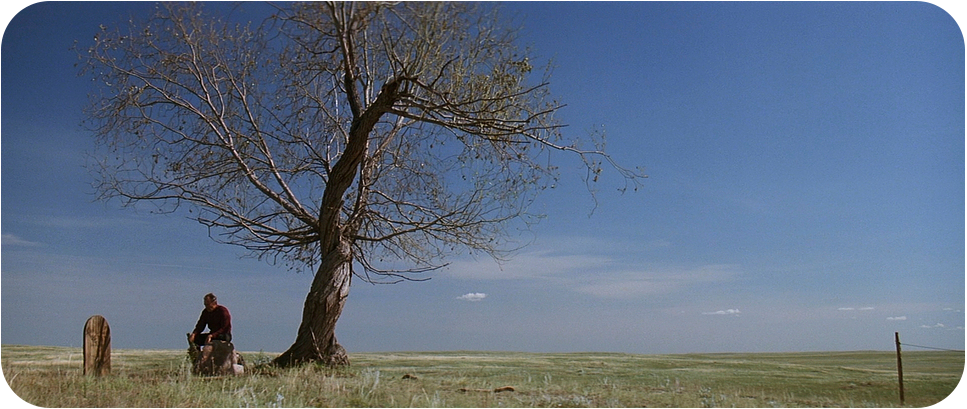
I've experienced this in my own personal work, big collaborative projects, and across entire teams. It always starts the same way: good intent. Iteration feels productive. Improvement feels noble. But unrestrained iteration is infinite. Without discipline, it becomes a loop that erases clarity and energy.
I’ve spent months tweaking small details and lost all excitement for the work, while other times my projects came together naturally, I didn't overthink it. I made choices, felt good about them, and moved on. That is what I am always chasing: the the art of letting go.
Da Vinci said "art is never finished, only abandoned." So when do you abondon it? That is the question.
A simple way to think about it is to use the 80% rule. Also known as the Pareto principle. You can apply this in lots of ways to lots of different things but here are some simple rules for your creative projects:
- Take a piece to 80% instead of 100
- Ask what 20% of the project produces 80% of the results?
- Iterate holistically once everything is in place.
- Maintain what mattered most when you started and let the rest fade back.
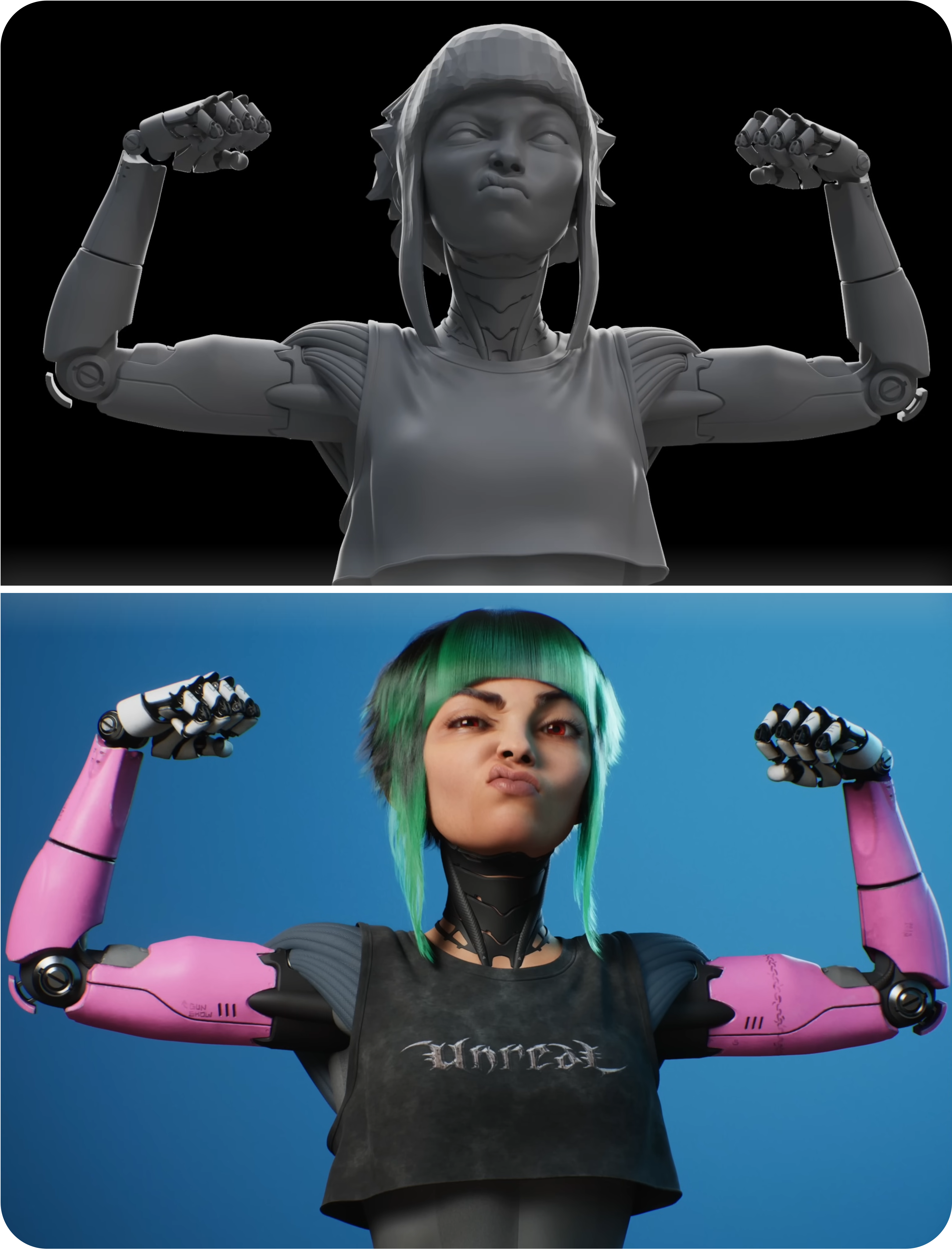
Finishing more work, not endlessly improving one is what leads to real growth. Perfectionism is a trap disguised as dedication. Focus on the 20% of the work that delivers 80% of the impact. Trust your taste, trust your one take and move on.
The next time you feel that pull to keep polishing, pause and ask:
Am I actually improving this, or am I just afraid to call it done?
Clint Eastwood has directed over 40 movies and recieved 2 Oscars for Best Director. He obviously is an elite-level director yet he does very few takes compared to his peers. He also doesn't like to change his scripts once filming starts. Even with these restrictions, he's still greatly respected by his peers and collegues, especially his actors and main shooting crew, all of whom enjoy working with him. He is a living example of doing more by doing less.
Action Notes: How to Stop Killing Your Work With “Improvements”
-
Set an Intention Early
Write down the core purpose of your project before you start.
What are you trying to learn, feel, or communicate?
Revisit that when you’re tempted to “fix” everything.
-
Use the 80% Rule
Aim to bring a piece to about 80% finished, then stop and step back.
The final 20% often adds stress, not value.
-
Iterate Holistically
Instead of endlessly refining one small area, work in broad passes.
Improve the whole piece at once so everything stays connected.
-
Get External Eyes
Share WIPs earlier than feels comfortable.
Feedback from a friend or Discord peer can show you what’s already working.
-
Move On to the Next
Finishing more projects beats perfecting one forever.
Each new start brings lessons the last one never could.
Resources
🎥 Watch: How Hollywood's oldest filmmaker works faster than anyone
A video about Clint Eastwood on his approach and why “done” is better than perfect.
📖 Read: The War of Art — full of wisdom about the creative process and breaking through plateau.
⏱️ Do: Do a “speed project.” Set a 7-day time limit, finish whatever it is, then move on to your next project.